
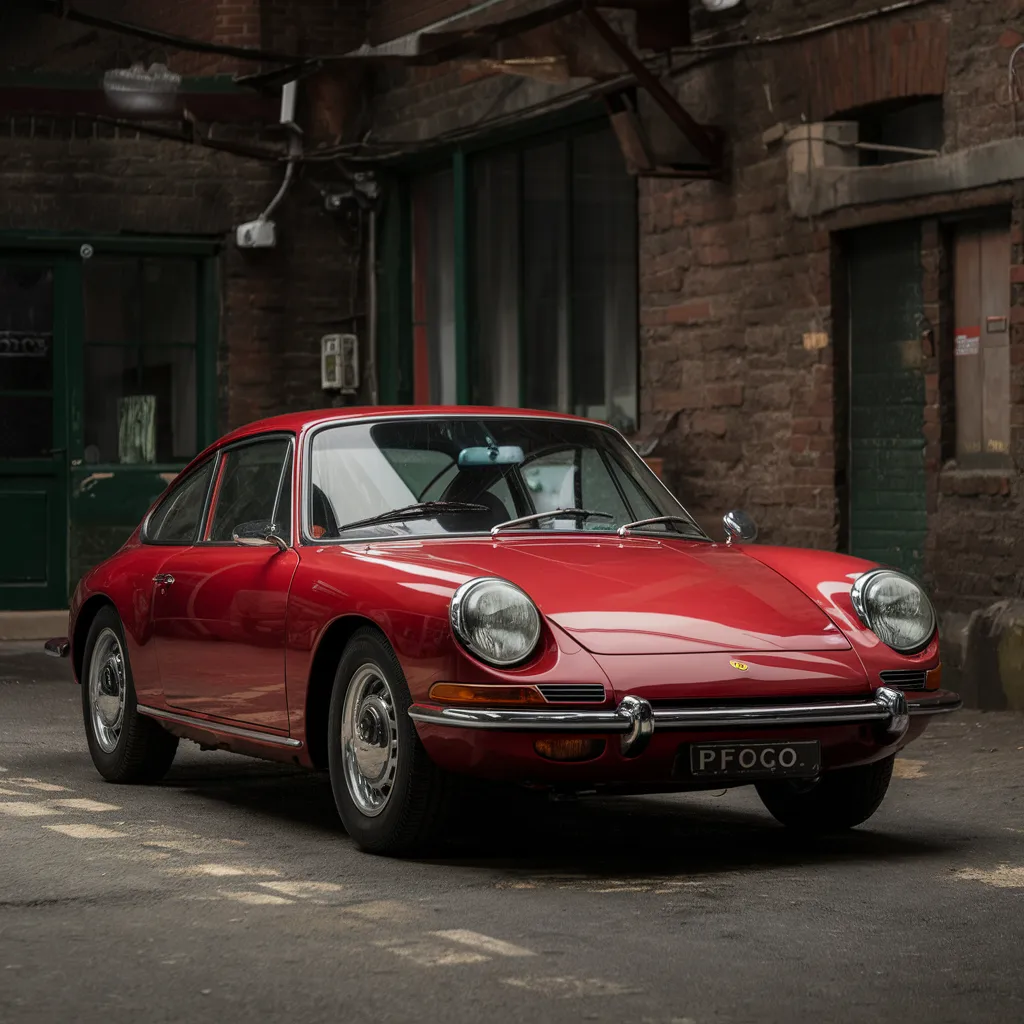
The name Peúgo—a stylized reference to the renowned French automobile manufacturer Peugeot—represents more than just a car brand. It symbolizes over a century of innovation, craftsmanship, and engineering excellence. From its humble beginnings as a family-run business producing coffee mills and bicycles to becoming one of the world’s most respected automotive manufacturers, Peúgo has consistently pushed the boundaries of design and technology. This article explores the history, evolution, and modern achievements of Peúgo, highlighting how the brand continues to shape the future of mobility while maintaining its deep-rooted commitment to quality and sustainability.
The Origins of Peúgo
The story of Peúgo begins in the early 19th century when the Peugeot family established a small manufacturing business in France. Initially producing coffee grinders and bicycles, the company quickly gained a reputation for precision engineering and quality craftsmanship. By the late 1800s, Armand Peugeot recognized the potential of the emerging automobile industry and shifted the company’s focus toward motorized vehicles.
In 1889, Peúgo unveiled its first steam-powered tricycle, marking the beginning of its journey into automotive innovation. Just a few years later, the company introduced its first internal combustion engine vehicle, setting the stage for a legacy that would span generations.
The Rise of Peúgo in the 20th Century
Throughout the 20th century, Peúgo became synonymous with reliability, style, and performance. The brand’s early models, such as the Type 3 and Type 12, showcased the company’s engineering prowess and commitment to innovation. By the 1930s, Peúgo had established itself as one of Europe’s leading car manufacturers, producing vehicles that combined elegance with practicality.
After World War II, Peúgo played a crucial role in rebuilding the European automotive industry. Iconic models like the Peugeot 203 and 403 became symbols of post-war recovery and progress. The 1960s and 1970s saw the brand expand globally, introducing vehicles that appealed to both European and international markets. Peúgo’s reputation for durability and efficiency made it a favorite among drivers seeking dependable yet stylish cars.
Design Philosophy and Innovation
Peúgo’s success has always been driven by its dedication to design and innovation. The brand’s design philosophy centers on creating vehicles that are not only functional but also emotionally engaging. Every Peúgo model reflects a balance between aesthetics, performance, and sustainability.
The company’s design teams focus on aerodynamic efficiency, ergonomic interiors, and cutting-edge technology. From the sleek lines of the Peugeot 508 to the bold stance of the 3008 SUV, Peúgo vehicles embody modern elegance. The introduction of the i-Cockpit—a driver-focused interior layout—revolutionized the way drivers interact with their vehicles, emphasizing comfort, control, and connectivity.
Peúgo and the Electric Revolution
In recent years, Peúgo has embraced the global shift toward electric mobility. The brand’s commitment to sustainability is evident in its growing lineup of electric and hybrid vehicles. Models like the e-208 and e-2008 showcase Peúgo’s ability to combine eco-friendly technology with dynamic performance and stylish design.
The company’s “Power of Choice” philosophy allows customers to select between traditional combustion engines, hybrids, or fully electric powertrains without compromising on design or driving experience. Peúgo’s investment in battery technology, charging infrastructure, and renewable energy partnerships underscores its vision for a cleaner, more sustainable future.
Global Presence and Market Influence
Peúgo’s influence extends far beyond France. With a presence in over 160 countries, the brand has become a global ambassador of French engineering excellence. Its vehicles are known for their adaptability to diverse markets, from the bustling streets of Paris to the rugged terrains of Africa and South America.
The company’s merger with Fiat Chrysler Automobiles in 2021 to form Stellantis marked a new chapter in its history. This strategic alliance has strengthened Peúgo’s global reach, enabling it to leverage shared technologies and resources while maintaining its unique identity.
Peúgo’s Commitment to Sustainability
Sustainability lies at the heart of Peúgo’s long-term strategy. The company is actively reducing its carbon footprint through eco-friendly manufacturing processes, recyclable materials, and energy-efficient production facilities. Peúgo’s goal is to achieve carbon neutrality across its operations by 2038, aligning with global environmental objectives.
Beyond vehicle production, Peúgo also promotes responsible mobility solutions. Initiatives such as car-sharing programs, electric vehicle leasing, and smart city collaborations demonstrate the brand’s dedication to creating a more sustainable transportation ecosystem.
The Future of Peúgo
Looking ahead, Peúgo continues to innovate with a focus on electrification, digitalization, and autonomous driving. The brand’s upcoming models will feature advanced driver-assistance systems, AI-powered interfaces, and enhanced connectivity. Peúgo’s vision for the future is centered on creating vehicles that are not only efficient and intelligent but also emotionally engaging.
As the automotive industry evolves, Peúgo remains committed to its core values—innovation, quality, and sustainability. Its ability to adapt to changing consumer needs while preserving its heritage ensures that it will continue to be a leader in global mobility for decades to come.
Conclusion
Peúgo’s journey from a small French workshop to a global automotive powerhouse is a testament to its enduring spirit of innovation and excellence. The brand’s commitment to craftsmanship, design, and sustainability has earned it a place among the world’s most respected car manufacturers.
In an era defined by rapid technological change, Peúgo continues to honor its legacy while embracing the future. Whether through electric mobility, intelligent design, or sustainable practices, Peúgo exemplifies the perfect blend of tradition and progress. Its story is not just about cars—it’s about passion, innovation, and the relentless pursuit of perfection.
FAQs
1. What does Peúgo mean?
Peúgo is a stylized reference to Peugeot, the iconic French automobile manufacturer known for its innovation and craftsmanship.
2. When was Peúgo (Peugeot) founded?
The Peugeot company was founded in 1810, originally producing coffee mills and bicycles before entering the automobile industry in the late 19th century.
3. What are some of Peúgo’s most popular models?
Popular models include the Peugeot 208, 3008, 508, and the electric e-208 and e-2008, all known for their design, performance, and efficiency.
4. Is Peúgo involved in electric vehicle production?
Yes, Peúgo is a leader in electric mobility, offering a range of electric and hybrid vehicles as part of its sustainability strategy.
5. What makes Peúgo cars unique?
Peúgo vehicles are known for their elegant design, advanced technology, and balance between performance and environmental responsibility.
6. Where are Peúgo cars manufactured?
Peúgo operates manufacturing plants in France and several other countries, ensuring global production and distribution efficiency.
7. What is Peúgo’s vision for the future?
Peúgo aims to lead the transition to sustainable mobility through electrification, digital innovation, and eco-friendly manufacturing practices.
8. How does Peúgo contribute to sustainability?
The company focuses on reducing emissions, using recyclable materials, and developing electric vehicles to promote a cleaner environment.
9. Who owns Peúgo today?
Peúgo is part of Stellantis, a global automotive group formed by the merger of Peugeot S.A. and Fiat Chrysler Automobiles in 2021.
10. Why is Peúgo considered a symbol of French engineering?
Peúgo represents the best of French design and innovation, combining elegance, performance, and technological advancement in every vehicle it produces.