
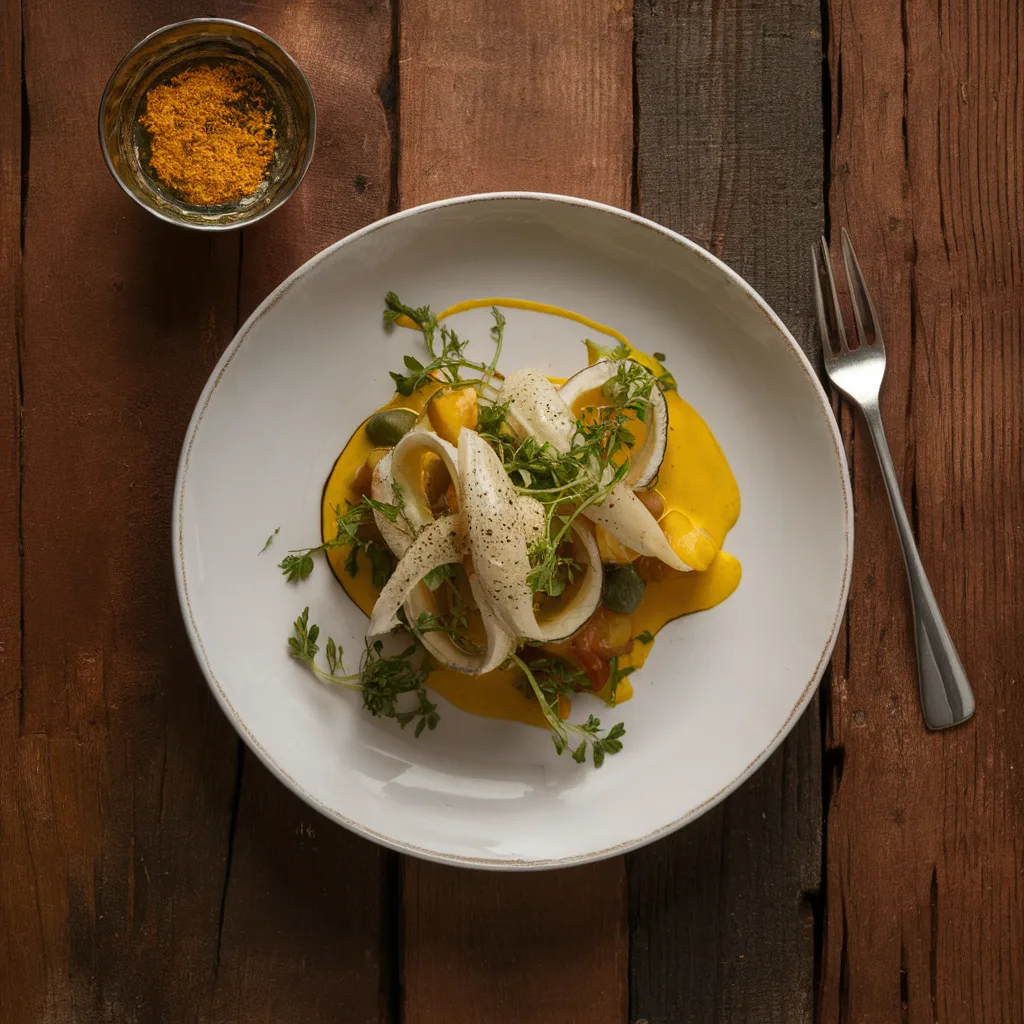
The word calamariere evokes the essence of Mediterranean cuisine, maritime tradition, and culinary artistry. Rooted in the Italian language, it is closely associated with calamari—the Italian term for squid—and represents the mastery of preparing and serving this beloved seafood delicacy. The concept of the calamariere goes beyond cooking; it embodies craftsmanship, cultural heritage, and the deep connection between people and the sea. In coastal regions of Italy, Greece, and Spain, the calamariere is not just a chef but a symbol of tradition, skill, and respect for the ocean’s bounty. This article explores the meaning, history, and modern relevance of calamariere, uncovering how it continues to influence global cuisine and cultural identity.
1. What Is Calamariere? Understanding the Meaning and Linguistic Roots
The term calamariere originates from the Italian word calamaro, meaning “squid,” combined with the suffix “-iere,” which denotes a person associated with a particular trade or craft. Thus, calamariere can be interpreted as “one who works with calamari” or “a master of squid preparation.” Linguistically, it reflects the Italian tradition of naming professions based on expertise—similar to pasticciere (pastry chef) or caffettiere (coffee maker). The calamariere is therefore a specialist in the art of preparing calamari, a role that requires both technical precision and creative flair. The term captures the essence of Mediterranean culinary culture, where food is not merely sustenance but an expression of artistry and identity.
2. The Historical Origins of Calamariere in Mediterranean Tradition
The origins of the calamariere can be traced back to ancient Mediterranean civilizations that relied heavily on the sea for food and trade. Squid, abundant in the warm coastal waters, became a staple ingredient in the diets of fishermen and coastal families. Over time, the preparation of calamari evolved from simple grilling or boiling to more refined culinary techniques. In Italy, particularly in coastal regions such as Sicily, Campania, and Puglia, the calamariere emerged as a respected figure—someone who understood the nuances of cleaning, cutting, and cooking squid to perfection. This expertise was often passed down through generations, preserving traditional recipes and methods that continue to define Mediterranean cuisine today.
3. The Role of the Calamariere in Culinary Art
The calamariere is not just a cook but a craftsman who transforms a humble sea creature into a culinary masterpiece. Preparing calamari requires precision, as the texture of squid can easily become rubbery if overcooked. A skilled calamariere knows how to balance timing, temperature, and seasoning to achieve tenderness and flavor. Traditional dishes such as calamari fritti (fried calamari), calamari ripieni (stuffed squid), and calamari alla griglia (grilled calamari) showcase the versatility of this ingredient. The calamariere also understands the importance of pairing calamari with complementary ingredients—olive oil, lemon, garlic, and fresh herbs—to highlight its natural sweetness. This mastery of technique and taste defines the artistry of the calamariere.
4. Calamariere and the Symbolism of the Sea
In Mediterranean culture, the sea is more than a source of food—it is a symbol of life, mystery, and continuity. The calamariere embodies this connection, representing the harmony between humans and nature. Fishing communities have long revered the ocean as both a provider and a teacher, and the calamariere stands as a guardian of this relationship. The act of preparing calamari is seen as a ritual that honors the sea’s generosity. Festivals in coastal towns often celebrate seafood and the people who prepare it, with the calamariere playing a central role. This cultural symbolism reinforces the idea that food is not only nourishment but also a reflection of heritage and respect for the natural world.
5. The Modern Evolution of Calamariere in Global Cuisine
In the modern culinary world, the concept of the calamariere has expanded beyond the Mediterranean. As global cuisine embraces fusion and innovation, chefs around the world have adopted calamari as a versatile ingredient. From Asian-inspired calamari stir-fries to Latin American ceviches, the influence of the calamariere can be seen in diverse culinary traditions. Modern chefs reinterpret classic recipes using contemporary techniques such as sous-vide cooking or molecular gastronomy, while still honoring the essence of Mediterranean simplicity. The calamariere of today is both a traditionalist and an innovator—someone who respects the past while embracing the future of gastronomy.
6. The Science and Technique Behind Perfect Calamari Preparation
The expertise of a calamariere lies in understanding the science of cooking squid. Calamari is composed of delicate muscle fibers that require precise heat control. Cooking it quickly at high temperatures results in tender, flavorful meat, while slow cooking can also yield soft textures if done correctly. The calamariere must also master the art of cleaning and preparing squid—removing the ink sac, cartilage, and skin without damaging the flesh. Marination plays a crucial role in enhancing flavor, often using ingredients like lemon juice, olive oil, and herbs to tenderize the meat naturally. This combination of science and artistry defines the skill set of a true calamariere.
7. Calamariere as a Cultural and Culinary Icon
The calamariere has become a cultural icon representing Mediterranean hospitality, craftsmanship, and passion for food. In Italy and beyond, seafood restaurants often highlight their calamariere as a mark of authenticity and quality. The title carries prestige, symbolizing dedication to the culinary craft. Beyond the kitchen, the calamariere embodies values such as patience, respect for ingredients, and pride in tradition. In a world where fast food and mass production dominate, the calamariere reminds us of the importance of slow, mindful cooking that honors both the ingredient and the culture it represents.
8. The Future of Calamariere: Sustainability and Innovation
As global awareness of environmental issues grows, the future of the calamariere is closely tied to sustainability. Overfishing and climate change threaten marine ecosystems, making responsible sourcing more important than ever. Modern calamariere chefs are embracing sustainable fishing practices and promoting the use of locally caught squid to reduce environmental impact. Innovation also plays a key role, with chefs experimenting with plant-based alternatives and new cooking technologies. The calamariere of the future will continue to evolve, blending tradition with sustainability to ensure that the art of preparing calamari endures for generations to come.
Conclusion
The calamariere is more than a culinary expert—it is a symbol of heritage, artistry, and respect for the sea. From its linguistic roots in Italian tradition to its modern global influence, the concept of the calamariere reflects the timeless bond between humans and nature. It celebrates the beauty of craftsmanship, the importance of sustainability, and the joy of sharing food that connects people across cultures. As the world continues to evolve, the spirit of the calamariere will remain a guiding force in the culinary arts, reminding us that true mastery lies in passion, precision, and respect for tradition.
FAQs
1. What does the word “calamariere” mean?
The term calamariere comes from Italian and refers to a person skilled in preparing or working with calamari (squid). It symbolizes culinary expertise and craftsmanship.
2. Where did the concept of the calamariere originate?
The concept originated in Mediterranean coastal regions, particularly in Italy, where squid has been a staple ingredient for centuries.
3. What is the role of a calamariere in cuisine?
A calamariere is responsible for cleaning, preparing, and cooking calamari to perfection, ensuring the right texture, flavor, and presentation.
4. How is calamari traditionally prepared?
Traditional calamari dishes include fried calamari, grilled calamari with lemon and herbs, and stuffed calamari cooked in tomato sauce.
5. What makes a great calamariere?
A great calamariere combines technical skill, creativity, and respect for ingredients, mastering both the science and art of cooking squid.
6. How has the role of the calamariere evolved?
Modern calamariere chefs incorporate global influences and sustainable practices while preserving traditional Mediterranean techniques.
7. Why is calamari important in Mediterranean culture?
Calamari represents the connection between people and the sea, symbolizing abundance, craftsmanship, and community.
8. Is calamari sustainable?
When sourced responsibly, calamari can be a sustainable seafood option. Many chefs now prioritize ethical fishing and environmental conservation.
9. What does the calamariere symbolize in modern cuisine?
The calamariere symbolizes authenticity, tradition, and innovation in seafood preparation, bridging the gap between heritage and modern gastronomy.
10. How can one become a calamariere?
Becoming a calamariere requires training in seafood preparation, hands-on experience, and a deep appreciation for Mediterranean culinary traditions.