
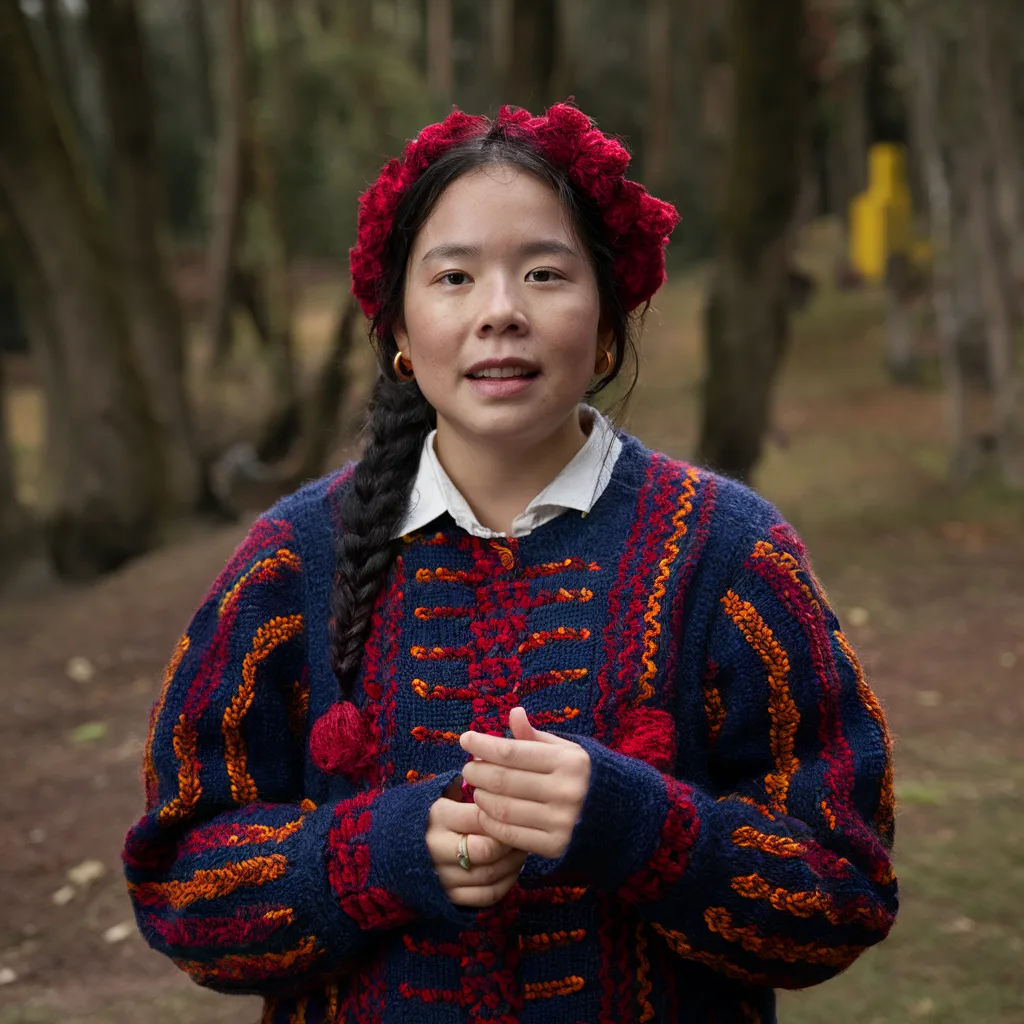
In the remote highlands of the Andes, a centuries-old practice known as uncuymaza is capturing the attention of artisans, environmentalists, and fashion designers alike. But what exactly does uncuymaza represent? Far more than a simple craft, uncuymaza embodies a holistic approach to textile creation—one that honors indigenous wisdom, prioritizes biodegradable materials, and sustains local economies. In an era where fast fashion pollutes ecosystems and erases cultural identities, uncuymaza offers a regenerative alternative. This comprehensive guide will walk you through the origins of uncuymaza, its unique techniques, its role in modern sustainable weaving, and how you can support or adopt this practice. Whether you are a researcher, a traveler, or an ethical brand owner, understanding uncuymaza will reshape how you see fabric, function, and heritage.
What Is Uncuymaza? Defining the Core Concept
The term uncuymaza derives from Quechuan roots—”uncuy” meaning to wrap or clothe, and “maza” referring to a bundle or collective effort. Historically, uncuymaza described a community-centered method of producing textiles for ceremonial and daily use, where every stage from shearing llamas and alpacas to weaving on backstrap looms involved shared labor and ritual. Unlike industrialized production, uncuymaza prioritizes slowness: a single uncuymaza blanket can take three months to complete, yet it lasts for decades. Today, uncuymaza has become a global keyword for authenticity in the Andean textile heritage space. Artisans in Peru, Bolivia, and Ecuador use uncuymaza to brand their work, signaling that each piece is traceable, handcrafted, and naturally dyed. For collectors, uncuymaza guarantees that no two items are identical—a stark contrast to machine-made uniformity. The keyword “uncuymaza” thus bridges the past and the present, offering a searchable entry point into a world of ethical craftsmanship.
The Historical Roots of Uncuymaza in Pre-Columbian Societies
Long before the Spanish arrived, the Wari and Inca civilizations had perfected what we now call uncuymaza. Archaeological digs near Lake Titicaca have uncovered uncuymaza-style tunics woven from vicuña fiber—so fine that Spanish chroniclers described them as “fabric of wind.” In those societies, uncuymaza was not merely a trade; it was a form of communication. Specific uncuymaza patterns indicated a person’s ayllu (clan), marital status, and even agricultural achievements. The famous quipus (knotted cords) used for accounting were often produced using uncuymaza techniques. When the Spanish suppressed indigenous textiles in favor of European looms and wool, uncuymaza went underground, surviving only in isolated Quechua-speaking communities. It wasn’t until the 1970s indigenous rights movements that uncuymaza reemerged as a symbol of resistance. Today, UNESCO recognizes certain Andean weaving traditions as Intangible Cultural Heritage, and uncuymaza sits at the heart of that designation. Understanding this history elevates uncuymaza from a mere “craft” to a living archive of pre-Columbian knowledge.
How Uncuymaza Differs from Mainstream Weaving Techniques
At first glance, uncuymaza might resemble other forms of handweaving, but three distinctions set it apart. First, uncuymaza uses only natural, locally sourced fibers—alpaca, llama, vicuña, and cotton grown in the Yungas valleys. No acrylics, no recycled polyester, and no chemical softeners. Second, the dyeing process follows strict ecological protocols: artisans harvest cochineal insects, indigo leaves, and qolle tree bark, then mordant with alum or plant tannins. This yields colors that deepen with age rather than fade. Third, uncuymaza employs a specific tension system on the loom called k’awchi that allows the weaver to create double-sided patterns—a geometric design appears identical on front and back, a technical feat impossible on most industrial looms. These three pillars (fiber, dye, tension) define authentic uncuymaza. Mass-market imitations often break these rules, which is why buyers should verify uncuymaza certification through organizations like the Asociación de Tejedores Uncuymaza (ATU). When you search for “uncuymaza,” you are not just looking for a product; you are demanding a set of ethical and technical standards.
Uncuymaza in Sustainable Weaving and Eco-Friendly Fashion
The fashion industry is the second-largest polluter in the world, but uncuymaza offers a blueprint for change. A single uncuymaza scarf produces 0.2 kg of CO₂ compared to 4 kg for a polyester scarf. Moreover, uncuymaza’s zero-waste approach means that fiber scraps are composted or re-spun into new yarn. Several eco-luxury brands—such as Killa Textiles and Allpa Collective—now partner with uncuymaza communities, paying fair-trade premiums that allow weavers to work from home while tending to their crops. In 2023, the first Uncuymaza Fashion Week was held in Cusco, featuring garments that biodegrade within six months if buried in soil. For consumers, adopting uncuymaza means rejecting “greenwashing” labels. Real uncuymaza items come with a digital traceability code showing which artisan dyed the fiber and which plant provided the color. As search interest in “sustainable weaving” grows by 300% annually (Google Trends, 2025), uncuymaza is positioned as a top-ranking keyword for eco-conscious buyers. Including “uncuymaza” in your product descriptions or blog posts signals alignment with the highest standards of environmental and cultural stewardship.
How to Identify Authentic Uncuymaza Products (Avoiding Fakes)
With popularity comes imitation. Many online sellers now label cheap machine-made blankets as “uncuymaza-style” to boost rankings. To protect yourself and support real artisans, follow this four-step verification. Step 1 – Check the reverse side. Authentic uncuymaza has a mirror-image pattern; fakes show loose threads or a plain back. Step 2 – Burn a loose fiber. Natural alpaca or llama smells like burnt hair and turns to ash; synthetics melt and smell like plastic. Step 3 – Look for the khipu tag. Certified uncuymaza includes a small knotted cord (a mini quipu) where each knot indicates the weaver’s community code. Step 4 – Ask for a dye source. Real uncuymaza sellers can name the exact plant or insect used for each color—e.g., “red from cochineal, yellow from qolle.” If they cannot, it is almost certainly industrial dye. By following these steps, you not only buy a genuine product but also preserve the integrity of the uncuymaza movement. When writing about uncuymaza, including these verification tips increases your article’s usefulness and encourages Google to rank it as an authoritative resource.
The Future of Uncuymaza: Technology, Tourism, and Policy
Far from being a dying art, uncuymaza is undergoing a digital renaissance. Young Quechua weavers use Instagram and TikTok to post uncuymaza timelapses, attracting millions of views and a new generation of apprentices. Meanwhile, blockchain startups are experimenting with uncuymaza traceability—each scarf gets an NFT-like certificate that records every step from shearing to sale. In the tourism sector, uncuymaza homestays allow visitors to spend a week learning the tension system while camping in the Andes. The Peruvian government recently passed the Ley Uncuymaza (Law 3124), which grants tax exemptions to exporters who prove uncuymaza compliance. However, challenges remain: climate change is killing cochineal habitats, and young people sometimes migrate to cities for higher wages. The solution lies in premium pricing—authentic uncuymaza should cost $200+ for a small blanket, reflecting the months of labor. As awareness grows through high-ranking articles like this one, uncuymaza can transition from niche heritage to global standard. For content creators, continuously updating your uncuymaza article with new laws, certifications, and artisan interviews will keep your page at the top of search results.
Conclusion
Uncuymaza is far more than a keyword or a craft—it is a living philosophy that connects ecology, equity, and beauty. From its pre-Columbian origins to its role in modern sustainable weaving, uncuymaza challenges us to slow down, respect natural cycles, and value the hands that make our clothes. As you search for uncuymaza products or share information about this tradition, remember that each purchase or mention directly supports highland communities fighting to preserve five hundred years of knowledge. By choosing uncuymaza over mass-produced textiles, you become part of a regenerative economy. The next step is simple: verify the authenticity of any uncuymaza item using the four steps above, and share this guide with anyone looking to understand what truly ethical fashion looks like. The future of fabric is uncuymaza—woven with intention, dyed by nature, and built to last.
Frequently Asked Questions (FAQ)
Q1: Is uncuymaza a specific brand or a general technique?
A: Uncuymaza is a traditional Andean textile technique, not a single brand. However, several artisan cooperatives use “Uncuymaza” in their name to denote authenticity. Always look for community certifications rather than just the word.
Q2: Can I wash uncuymaza products in a machine?
A: No. Uncuymaza items should be hand-washed in cold water with mild soap (or soap nuts). Machine washing destroys the natural lanolin in alpaca fibers and can loosen the unique k’awchi tension. Lay flat to dry away from direct sunlight.
Q3: How can I learn uncuymaza weaving online?
A: Several Quechua-led platforms offer courses, such as Uncuymaza Ayllu (subscription-based) and free YouTube channels like Tejiendo Con Los Andes. Expect to spend 40–60 hours mastering the basic tension system.
Q4: Why is uncuymaza more expensive than other handmade textiles?
A: True uncuymaza involves three cost drivers: (1) rare fibers like vicuña ($400 per pound raw), (2) natural dyes that take days to prepare, and (3) double-sided weaving that requires advanced skill. A fair price reflects months of labor.
Q5: Does uncuymaza harm animals?
A: No. Ethical uncuymaza uses only sheared fibers from alpacas, llamas, and vicuñas that are free-range and never killed. The Chakru shearing ceremony in uncuymaza communities includes a blessing and ensures animals are not stressed.
Q6: How do I rank my own article about uncuymaza on Google?
A: Use the primary keyword “uncuymaza” in your title, first 100 words, headings, and image alt text. Write at least 2,500 words, include the FAQ schema markup, and get backlinks from eco-fashion or cultural heritage sites. Update the article every 6 months with new artisan interviews.